

New York Red Bulls Name Michael Bradley Head Coach in Strategic MLS Shift

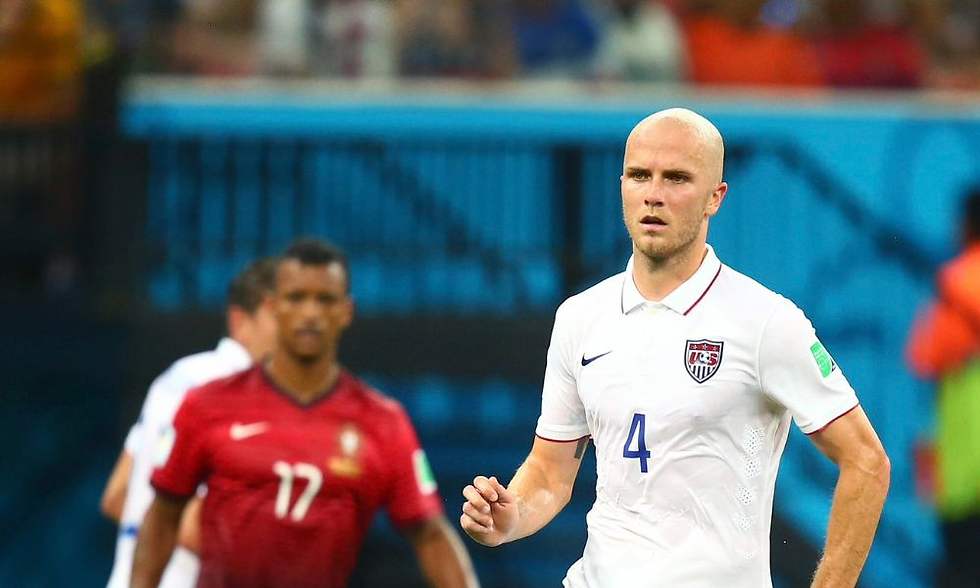
The New York Red Bulls have launched a new chapter by appointing Michael Bradley as their head coach, a move that signals a strategic shift for a club long defined by intensity, high pressing, and talent development. The announcement comes at a time when Major League Soccer increasingly demands clear identity, continuity, and the ability to compete across a congested and demanding calendar.
Bradley arrives with a distinctive profile. His name is synonymous with leadership, tactical awareness, and an extensive career in MLS and with the U.S. national team, yet his journey as a head coach is only beginning to take shape. That contrast is precisely what makes the appointment compelling. The Red Bulls are betting not only on his pedigree as a former elite midfielder, but also on his capacity to build a modern project from within the club’s existing structure.
A key factor behind the decision is Bradley’s recent work inside the organization. After taking charge of New York Red Bulls II midway through the season, he guided the reserve side to the MLS NEXT Pro title in 2025. For the club, that success served as proof of concept, demonstrating that Bradley can translate playing principles into tangible results within a development-focused environment.
The move also reflects a broader trend in North American soccer, where franchises are increasingly prioritizing coaches who can promote young talent, integrate performance methodologies, and sustain a recognizable playing style. Promoting Bradley from the second team sends a clear message: the Red Bulls value continuity and want an identity that flows seamlessly from the academy to the first team. Within the sporting structure, the appointment is seen as a search for clarity after years of adjustments that failed to fully establish a stable direction.
From a competitive standpoint, the challenge extends beyond philosophy. MLS roster construction rules, salary caps, allocation mechanisms, and international slots require coaches who deeply understand the league’s ecosystem. Club leadership has emphasized that Bradley’s familiarity with the local culture and daily demands of MLS was a decisive advantage. On the field, expectations go beyond trademark intensity. The Red Bulls are looking for growth in possession play, sharper decision-making in the final third, and a more efficient transition from ball recovery to attack.
Bradley steps into the role during a period of significant roster movement across the league, with clubs reshaping squads and rebalancing budgets. Adaptability will be essential. Talent evaluation, locker-room management, and the integration of young players will form the core of his immediate test, especially if the club continues its model of selling and replacing key pieces without sacrificing competitiveness.
With Michael Bradley at the helm, the New York Red Bulls are signaling a commitment to a long-term vision—one that blends their traditional intensity with a more nuanced, modern approach to winning in MLS.


Comments