

Real Madrid’s Overreliance on Kylian Mbappé Becomes Clear in Scoring Slump

Updated: Nov 24, 2025
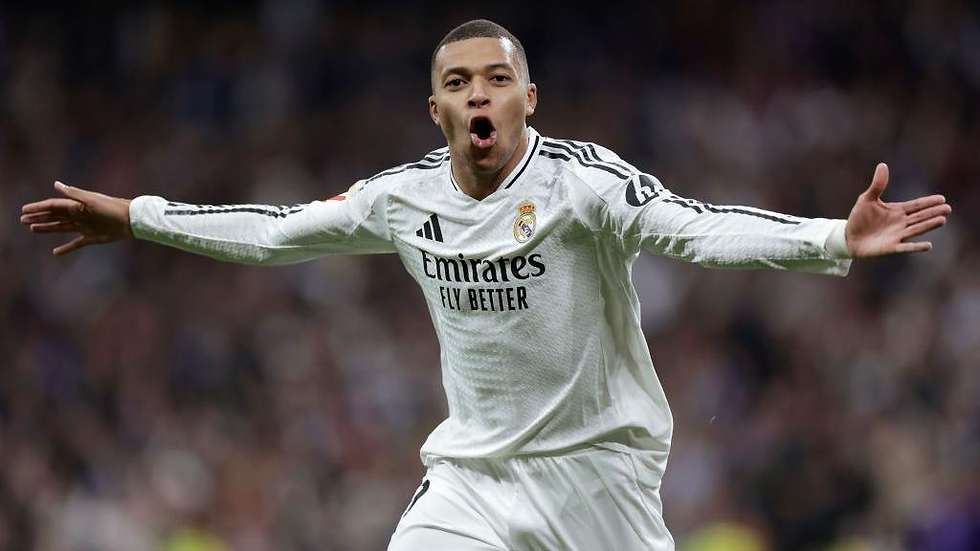
Real Madrid’s heavy dependence on Kylian Mbappé’s goals has become especially visible during the toughest stretch of their season. Their 1–0 loss at Anfield to Liverpool and the 0–0 draw away at Rayo Vallecano came during two of the rare matches in which the French star didn’t score. The sense of a “mini crisis” in Madrid has more to do with the team’s lack of attacking sharpness than with their position in the standings, where they still sit comfortably in both LaLiga and the Champions League.
The numbers tell the story. Mbappé has scored 18 goals in 16 matches this season — more than one per game — cementing himself as the heart of Xabi Alonso’s attacking plan. In several stretches, he has contributed over half of Real Madrid’s total goals, reinforcing the idea that the system revolves almost entirely around him. That’s why matches where he fails to score are both uncommon and problematic. So far, he’s gone scoreless only four times: vs Mallorca, Juventus, Liverpool, and Rayo Vallecano. The first two still ended in narrow wins, but the two most recent resulted in Madrid’s first European defeat and a league draw — the only two matches all season in which Real Madrid didn’t score at all.
Mbappé’s individual performances in those games also dipped below his usual standard. At Anfield, he managed only a few attempts and failed to hit the target, while the team struggled against Liverpool’s relentless press and survived only thanks to Thibaut Courtois. In Vallecas, locked inside Rayo’s deep defensive block, Mbappé was quiet, lost possession more often than usual, and never found the open space he thrives on.
Beyond the personal stats, these two setbacks highlight a collective issue. When Mbappé isn’t breaking matches open with his acceleration and finishing, the team struggles to create advantages through organized play — particularly against compact defenses like Rayo Vallecano’s. Neither Vinícius Júnior’s diagonal runs nor Jude Bellingham’s late box arrivals were enough to make up for the lack of clarity in the final third.
In Europe, the match at Anfield showed the same pattern: Real Madrid’s game plan revolved around holding on and waiting for Mbappé to generate a moment of magic on the counter. When that moment never came, Liverpool’s intensity overwhelmed them, and a set-piece goal punished Madrid’s offensive passivity. The impact was not so much mathematical in the new Champions League format — but psychological — ending a run that had fed the aura of near-invincibility.
The contrast with the rest of the season is stark. When Mbappé scores, Madrid usually wins — often by big margins. Hat tricks in blowout matches, braces that unlock tight games, clutch penalties in European nights. His influence goes beyond goals: he pins defenses back, frees space for wingers, and forces opponents to reshape entire defensive plans to contain him — which in turn helps other players shine.
This weekend’s visit to Elche will serve as a real test of whether this mini crisis is something deeper or just a small bump in the road. Mbappé arrives having just reached 400 career goals before turning 27 — ahead of Lionel Messi and Cristiano Ronaldo at the same age. The real challenge for Real Madrid isn’t just regaining Mbappé’s scoring rhythm — it’s building a collective solution when their superstar isn’t the one carrying the load.


Comments